
Preventing Mid-Season System Failures
HVAC Maintenance in Milwaukie for homes requiring scheduled inspections before heating and cooling seasons begin
Portland metro seasonal demand creates predictable pressure points—air conditioning failures spike during July heat waves, furnace breakdowns cluster in November when temperatures drop suddenly. Suburban HVAC LLC offers maintenance agreements that schedule inspections before those peaks, identifying worn components while replacement parts are readily available and technician availability isn't constrained by emergency calls. Your system receives filter replacement, blower cleaning, thermostat verification, refrigerant charge testing, and duct inspection during each visit, addressing minor wear before it causes mid-season failure.
Preventive maintenance follows a seasonal checklist—spring service prepares air conditioning for summer operation, fall service prepares heating equipment for winter demand. The technician inspects electrical connections for corrosion, measures refrigerant charge to detect slow leaks, cleans blower wheels that accumulate dust and reduce airflow, and tests capacitors that show degradation before complete failure. You receive a written report documenting findings and any components approaching end of service life.
Schedule a seasonal inspection to evaluate your system's current condition.
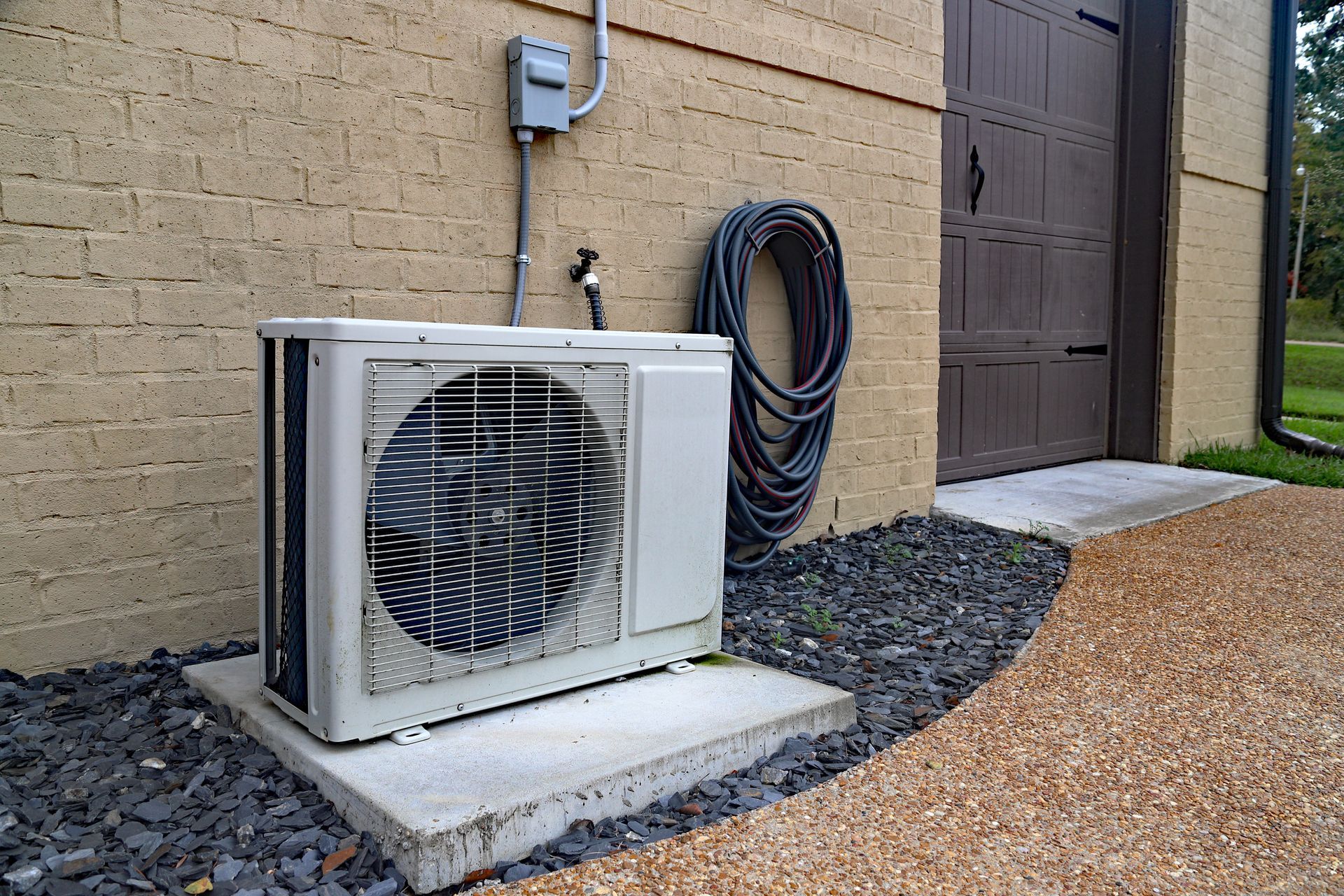
What Proper Maintenance Requires
The inspection process includes filter replacement with properly sized media, blower wheel cleaning to restore rated airflow, thermostat calibration to prevent temperature drift, and refrigerant charge verification using manifold gauges that detect undercharge or overcharge conditions. Ductwork is inspected for disconnected sections or deteriorated insulation that wastes conditioned air. Electrical connections are tightened, since vibration loosens terminals over time and creates resistance that overheats wires.
After maintenance completes, your system operates at manufacturer-rated efficiency rather than the degraded performance that accumulates from dirty filters, dust-coated coils, and loose connections. Heating and cooling cycles complete in the expected time without the extended runtime that indicates restricted airflow or low refrigerant. Blower noise decreases when dust buildup is removed from the wheel, and temperature consistency improves when the thermostat is calibrated correctly.
Maintenance agreements include priority scheduling during peak demand periods, so service calls are handled ahead of non-agreement customers when summer heat or winter cold creates backlogs. The agreement does not include repair parts or refrigerant, which are billed separately if replacement is needed. Early detection of component wear allows you to schedule repairs during moderate weather rather than during emergency failures when parts availability and technician scheduling are constrained.
Common Questions About This Service
Maintenance frequency, cost structure, and what gets inspected during visits are the questions homeowners typically ask before committing to scheduled service.
How often should HVAC maintenance be performed?
Most residential systems require twice-yearly service—spring preparation for cooling season and fall preparation for heating season—to address the different demands each mode places on components.
What does the technician check during a maintenance visit?
The inspection includes filter replacement, blower cleaning, thermostat calibration, refrigerant charge measurement, electrical connection tightening, duct inspection, and condensate drain clearing to prevent clogs that cause water damage.
Why does seasonal demand affect repair timing in Milwaukie?
Summer heat waves and winter cold snaps generate simultaneous failures across many homes, creating backlogs for emergency repairs—preventive maintenance scheduled during moderate weather avoids competing for scarce technician availability during peak demand.
What happens if a component is failing during maintenance?
The technician documents the condition, explains expected remaining service life, and provides repair cost estimates so you can schedule replacement before failure occurs rather than during an emergency when immediate repair is required.
How does maintenance extend equipment life?
Regular cleaning prevents dust accumulation that restricts airflow and overheats components, calibration prevents control drift that causes excessive cycling, and early detection of wear allows replacement before secondary damage occurs to connected parts.
Suburban HVAC LLC manages maintenance agreements with scheduled reminders, so you don't track service intervals manually. Contact the company to discuss agreement terms and schedule your first seasonal inspection based on your system's current service history.