
Cooling Without Ductwork Installation
Ductless Air Conditioning in Milwaukie for older homes lacking central duct systems and properties requiring room-by-room temperature control
Many Portland-area homes built before 1970 were constructed without air conditioning or ductwork, relying on windows and fans for summer cooling. Ductless mini-split systems provide refrigerated air conditioning without the cost and disruption of cutting duct chases through finished walls and ceilings. Suburban HVAC LLC designs and installs mini-split systems in Milwaukie that deliver zoned cooling—you control temperature independently in each room rather than cooling the entire house to satisfy one thermostat.
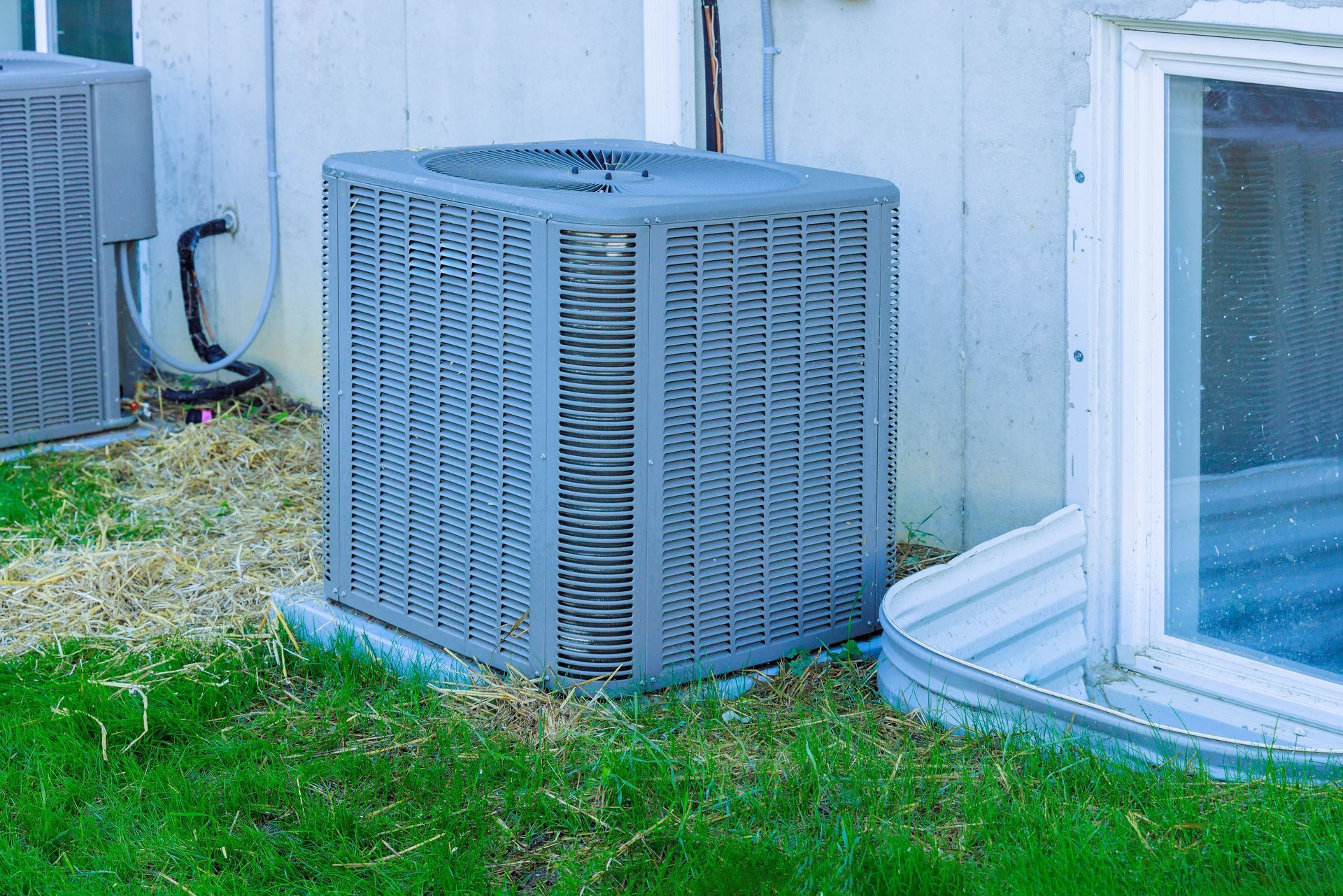
The installation involves mounting an indoor air handler on the wall in each zone you want cooled, running a refrigerant line and electrical connection through an exterior wall to an outdoor condenser unit, then testing operation and refrigerant charge. Multi-zone systems connect several indoor units to one outdoor condenser, while single-zone systems serve one room or area. Load calculation determines which capacity unit matches your cooling demand based on room size, window exposure, and insulation levels.
Arrange a property assessment to evaluate room layout and cooling requirements.
How Ductless Systems Address Cooling Challenges
The technician evaluates which rooms require cooling, measures their dimensions and window area, then selects indoor units sized to handle the calculated load. Refrigerant lines run through a three-inch hole drilled through the exterior wall, avoiding the need to retrofit ductwork through attics, crawl spaces, or between floors. Each indoor unit operates independently, so you cool only occupied rooms rather than conditioning spaces you're not using—a practical advantage in multi-story homes where upstairs bedrooms need cooling while the main floor remains comfortable.
After installation completes, you adjust temperature in each zone using individual remotes rather than walking to a central thermostat. Rooms cool quickly because the air handler mounts high on the wall, distributing refrigerated air across the space without relying on ductwork that leaks conditioned air into unconditioned attics or crawl spaces. Older Portland-area homes with plaster walls and minimal insulation benefit particularly, since ductless systems avoid the twenty-to-thirty percent cooling loss typical of leaky duct systems installed in those environments.
Ductless systems require periodic filter cleaning on the indoor units and annual refrigerant charge verification on the outdoor condenser. Multi-zone systems share one outdoor unit, reducing equipment footprint compared to installing separate window units or multiple outdoor condensers. Installation does not include removal of existing heating systems or ductwork if present.
Answers to Frequent Service Questions
Property owners considering ductless systems often ask about installation logistics, zoning options, and how the systems compare to central air conditioning.
How many indoor units can connect to one outdoor condenser?
Multi-zone systems typically support two to five indoor units per outdoor condenser, depending on the total cooling capacity required—each indoor unit is sized individually based on the room it serves.
What does the indoor unit installation involve?
The technician mounts a bracket on an interior wall near an exterior wall, hangs the air handler on the bracket, drills a hole through the wall for refrigerant and electrical lines, then connects the indoor and outdoor units and tests refrigerant flow.
Why do older Milwaukie homes often lack ductwork?
Homes built before air conditioning became standard were designed for heating only, using baseboard heaters, radiators, or gravity furnaces that didn't require ductwork—adding central AC to these homes means either retrofitting ducts or installing a ductless system.
What maintenance does a ductless system require?
You clean or replace filters in the indoor units monthly during cooling season, and a technician verifies refrigerant charge and cleans the outdoor condenser coil annually to maintain efficiency.
When should I install ductless AC instead of central air?
Ductless makes sense when your home lacks existing ductwork, when you want to cool specific rooms without conditioning the entire house, or when duct installation would require extensive structural modification to finished spaces.
Suburban HVAC LLC completes manufacturer-specific training to install mini-split systems correctly, ensuring refrigerant lines are sized properly and connections are sealed to prevent leaks. Request a consultation to review your home's layout and determine which zones require cooling.