
Cooling Systems Sized for Your Building
Air Conditioning Installation in Milwaukie for homes without central cooling, properties with failing units beyond repair, or spaces where existing systems never reach comfortable temperature
Many suburban Portland homes were built without central air conditioning or run aging systems that no longer cool effectively during summer months. Installing a new AC unit requires climate-appropriate sizing and ductwork that matches the building's actual cooling load, not just square footage estimates. Suburban HVAC LLC installs high-efficiency AC units after calculating building load based on insulation levels, window orientation, and structure type, then seals ducts and tests static pressure post-install to verify the system performs as designed.
Load calculation determines the correct unit size by measuring heat gain from windows, insulation R-value, ceiling height, and occupancy patterns rather than using generic tonnage-per-square-foot shortcuts. Undersized units run continuously without reaching setpoint, while oversized units cycle too frequently and fail to dehumidify properly. Duct sealing follows installation to prevent cooled air from escaping into attics or crawl spaces before it reaches living areas.
Request a load calculation estimate to compare SEER ratings and unit sizes specific to your home's layout.
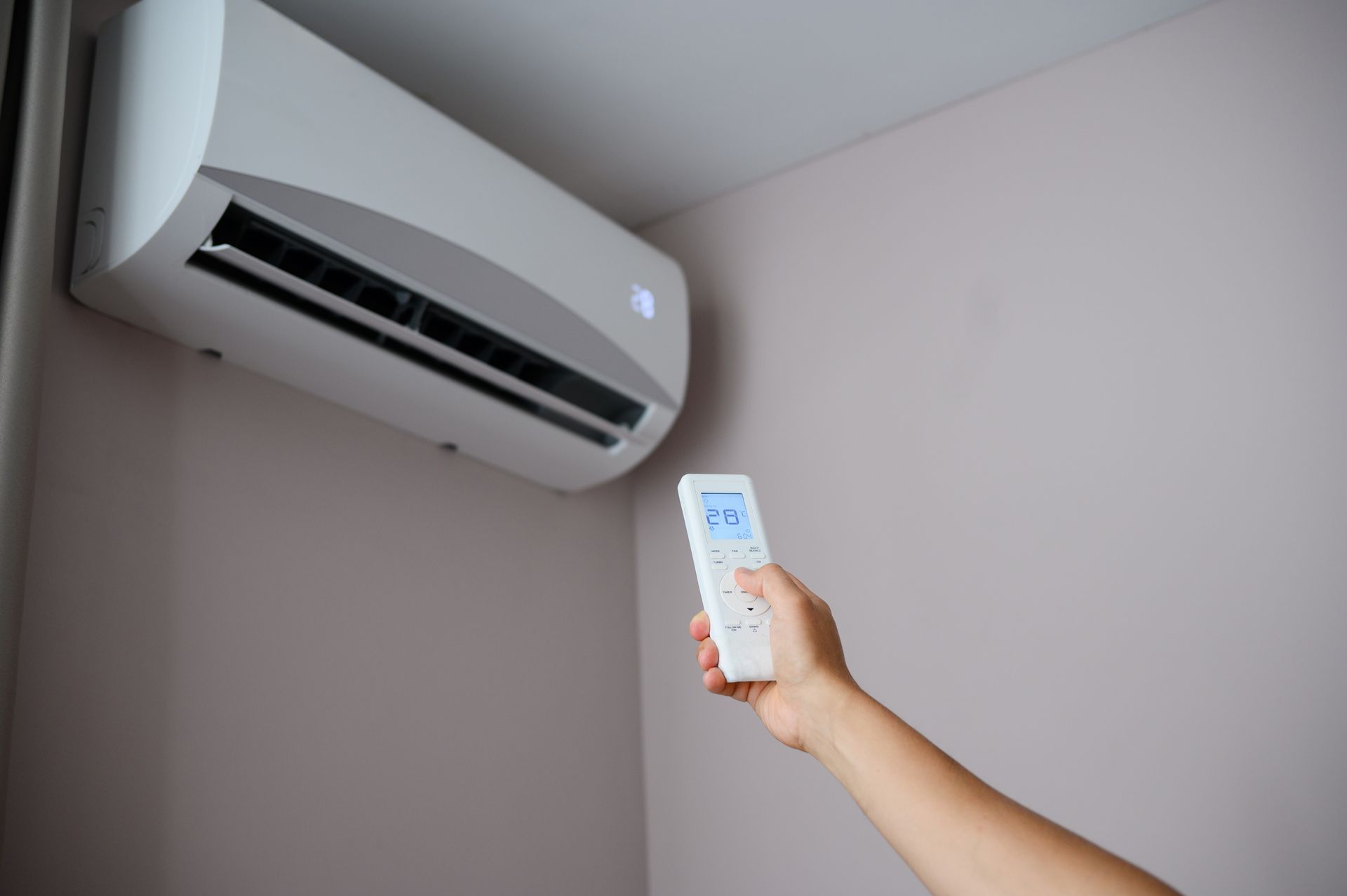
The Difference Between Proper and Rushed AC Installation
Installation begins with Manual J load calculation: square footage, insulation type, window area, and orientation data feed into heating and cooling load software that outputs required capacity in BTUs. The technician then selects a SEER-rated condensing unit matched to that load, installs or modifies ductwork to handle design airflow, seals all duct joints with mastic, and tests static pressure across the system to confirm airflow isn't restricted. This process prevents the most common install failures—undersized ducts choking airflow or oversized equipment short-cycling.
Once installation completes, every room receives consistent airflow at the register, indoor temperature drops to thermostat setpoint within 20 minutes of system startup, and humidity levels decrease noticeably as the unit runs full cycles. The system operates quietly without rattling ductwork or vibrating condenser mounts, and refrigerant charge remains stable across the first season without requiring adjustment.
Standard installation includes load calculation, duct sealing at all connection points, and post-install static pressure testing—three steps often skipped in commodity installs that prioritize speed over long-term performance. The SEER rating determines operating cost, but actual efficiency depends entirely on whether the unit size matches building load and ductwork delivers designed airflow.
Answers to Frequent Service Questions
Property owners typically want to understand sizing decisions, installation timelines, and efficiency comparisons before committing to new equipment.
How do you determine the right AC size for my home?
The technician calculates heat gain from your building's insulation, window area, ceiling height, and orientation, then selects a unit capacity in BTUs that matches that load rather than estimating from square footage alone.
What does SEER rating mean and which should I choose?
SEER measures cooling output per watt of electricity; higher SEER costs more upfront but reduces operating cost, and in Milwaukie's moderate summer climate, a 16 SEER unit typically pays back the premium over 14 SEER within seven to nine years.
How long does air conditioning installation take?
Most residential installs complete in one to two days depending on whether existing ductwork requires modification or the condenser pad needs replacement.
Why does duct sealing matter if the ducts are already installed?
Unsealed duct joints lose 20 to 30 percent of cooled air into attics and crawl spaces, forcing the system to run longer cycles and increasing operating cost without improving indoor comfort.
When should I schedule installation to avoid summer delays?
Spring installations before peak cooling season allow flexible scheduling and avoid the rush that begins in late May when temperatures climb consistently above 80 degrees.
Suburban HVAC LLC includes load calculation, duct sealing, and static pressure testing standard with every installation, ensuring the system performs as designed from the first season. Schedule a site evaluation to review unit options and receive a detailed installation estimate.