
Systems Built for Business Operation
Commercial HVAC Services in Milwaukie for businesses requiring ongoing maintenance, emergency repair response, and equipment replacement coordination
Commercial HVAC systems in Portland-area buildings range from 1970s single-zone rooftop units to modern modular systems serving multiple spaces, each with different maintenance requirements and failure patterns. Downtime during business hours affects customer comfort and employee productivity, making rapid diagnosis and repair critical when systems fail during seasonal peaks. Suburban HVAC LLC provides service calls, system diagnostics, equipment replacement, and maintenance agreements for commercial properties in Milwaukie, with same-day response capability when immediate troubleshooting is needed to restore operation.
Commercial service involves diagnosing control failures, compressor issues, refrigerant leaks, and airflow restrictions across equipment configurations that differ significantly from residential systems. Rooftop units require ladder access and safety protocols, while split systems involve coordinating work between indoor air handlers and remote condensers. Maintenance agreements schedule inspections during off-hours to avoid disrupting business operations, addressing filter replacement, belt tension adjustment, and refrigerant charge verification before component wear causes failure.
Schedule a system evaluation to assess your current equipment condition and maintenance needs.
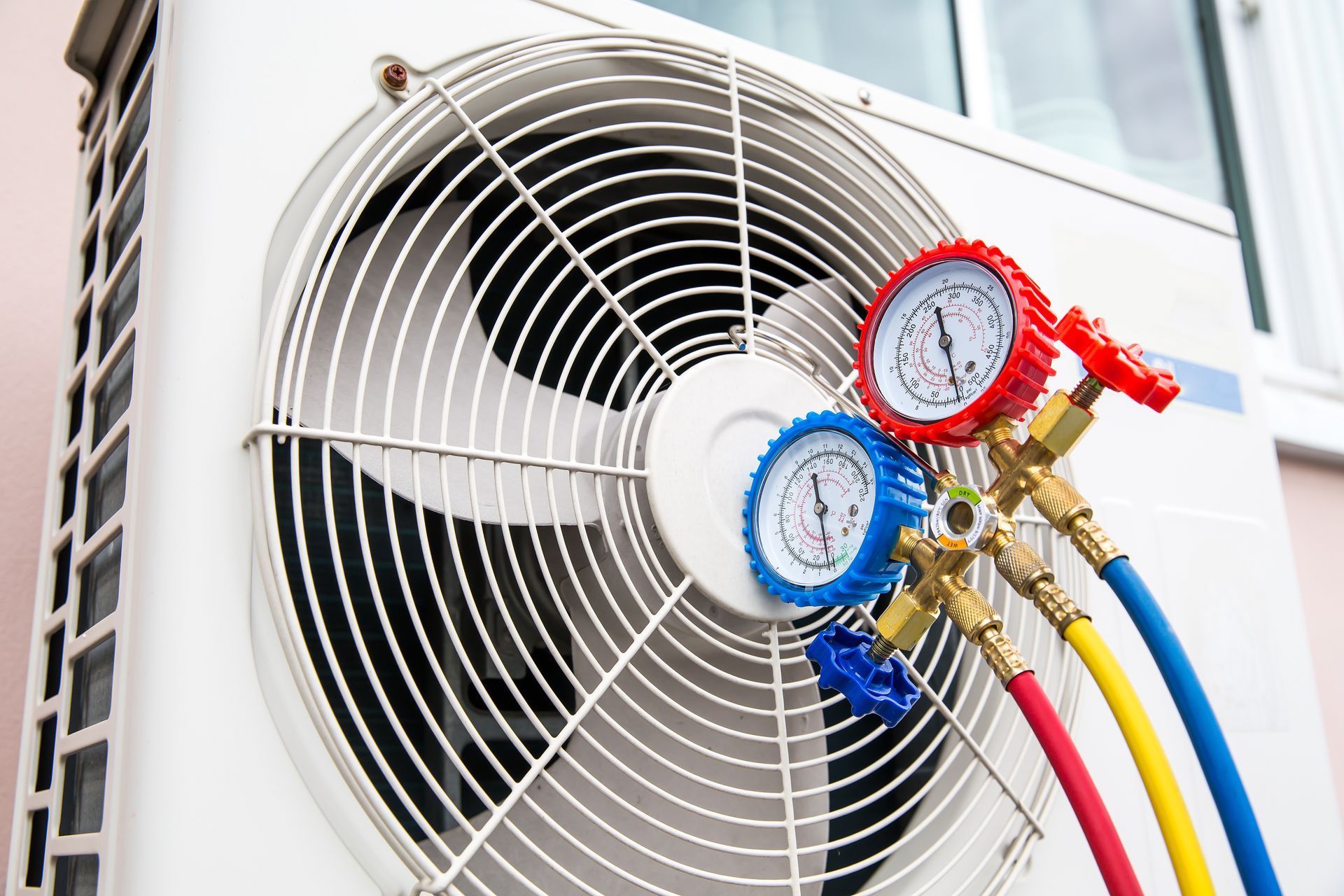
What Maintenance Agreements Accomplish
The technician inspects commercial units quarterly or biannually depending on system age and operating hours, performing filter replacement, coil cleaning, control calibration, and belt inspection on equipment that runs more hours annually than residential systems. Commercial buildings often lack redundant HVAC capacity, so single-unit failure affects the entire conditioned space rather than isolated rooms. Preventive service identifies worn contactors, degraded capacitors, and refrigerant leaks early, allowing scheduled repairs during non-business hours rather than emergency shutdowns during peak occupancy.
Suburban HVAC LLC handles mixed workload across residential and commercial projects, managing dispatch directly rather than routing through call centers. After maintenance or repairs complete, you receive documentation of work performed and recommendations for component replacement based on observed wear patterns. System operation returns to manufacturer specifications rather than the degraded performance that accumulates from deferred maintenance—cooling and heating cycles complete in expected timeframes, and temperature consistency improves across the conditioned space.
Emergency repair response prioritizes restoring operation quickly, then scheduling follow-up visits to address underlying causes if temporary measures were needed to resume business operation. Equipment replacement involves coordinating delivery, rigging, and installation during hours that minimize business disruption, often requiring weekend or after-hours scheduling for rooftop unit changes.
Questions Before Starting Your Project
Commercial property managers and business owners ask about response time, maintenance frequency, and how service is scheduled around business operations.
What does same-day response involve?
The owner-operator manages dispatch directly, so service calls are scheduled based on availability without routing through multiple levels—urgent failures during business hours receive priority over routine maintenance visits.
How often do commercial systems require maintenance?
Most commercial units benefit from quarterly inspection if they operate continuously or serve high-occupancy spaces, while lower-demand systems are maintained biannually similar to residential equipment but with more thorough inspection due to higher operating hours.
What causes commercial system failures in Milwaukie?
Seasonal demand fluctuations stress components during summer cooling peaks and winter heating demand, while deferred maintenance allows dust accumulation and wear to progress until parts fail during high-load operation when the business needs the system most.
How is equipment replacement scheduled to avoid business disruption?
Installation occurs during off-hours, weekends, or planned closures when customer and employee presence is minimal—rooftop unit replacement requires crane access and electrical shutdown, which must be coordinated with building occupancy schedules.
What documentation is provided after commercial service?
You receive detailed reports listing components inspected, measurements taken, repairs performed, and remaining service life estimates for parts showing wear—this supports budgeting for future replacements and demonstrates maintenance compliance for lease requirements.
Suburban HVAC LLC manages commercial service alongside new construction and residential work, providing flexibility to respond to urgent commercial calls without the overhead of dedicated commercial-only staffing. Arrange a consultation to discuss maintenance agreement terms and response protocols for your facility.