
Heat That Stops Working When You Need It
Heating Repair in Milwaukie for furnaces that won't ignite, heat pumps that blow cold air, or systems that shut off mid-cycle without warming the home
Ignition failure, blower motor faults, and cracked heat exchangers show up first as no heat at the registers, cold air blowing from vents, or the system cycling off before the thermostat reaches setpoint. Suburban HVAC LLC diagnoses heating failures using systematic pressure and flame testing to identify the failed component—ignition system, gas valve, blower motor, or heat exchanger—before quoting repair cost. Portland-area winters demand reliable heating, and early-season repairs prevent mid-winter breakdowns when service demand peaks and emergency replacement costs climb.
The diagnostic process involves flame sensor testing, gas pressure measurement at the valve, blower amperage draw comparison to nameplate specs, and visual heat exchanger inspection for cracks or corrosion. These tests separate ignition problems from airflow restriction and confirm whether the heat exchanger remains safe to operate. Parts stock on the service truck allows same-day completion for most repairs once the fault is confirmed.
Arrange an on-site diagnostic to determine what's preventing your heating system from producing warm air.
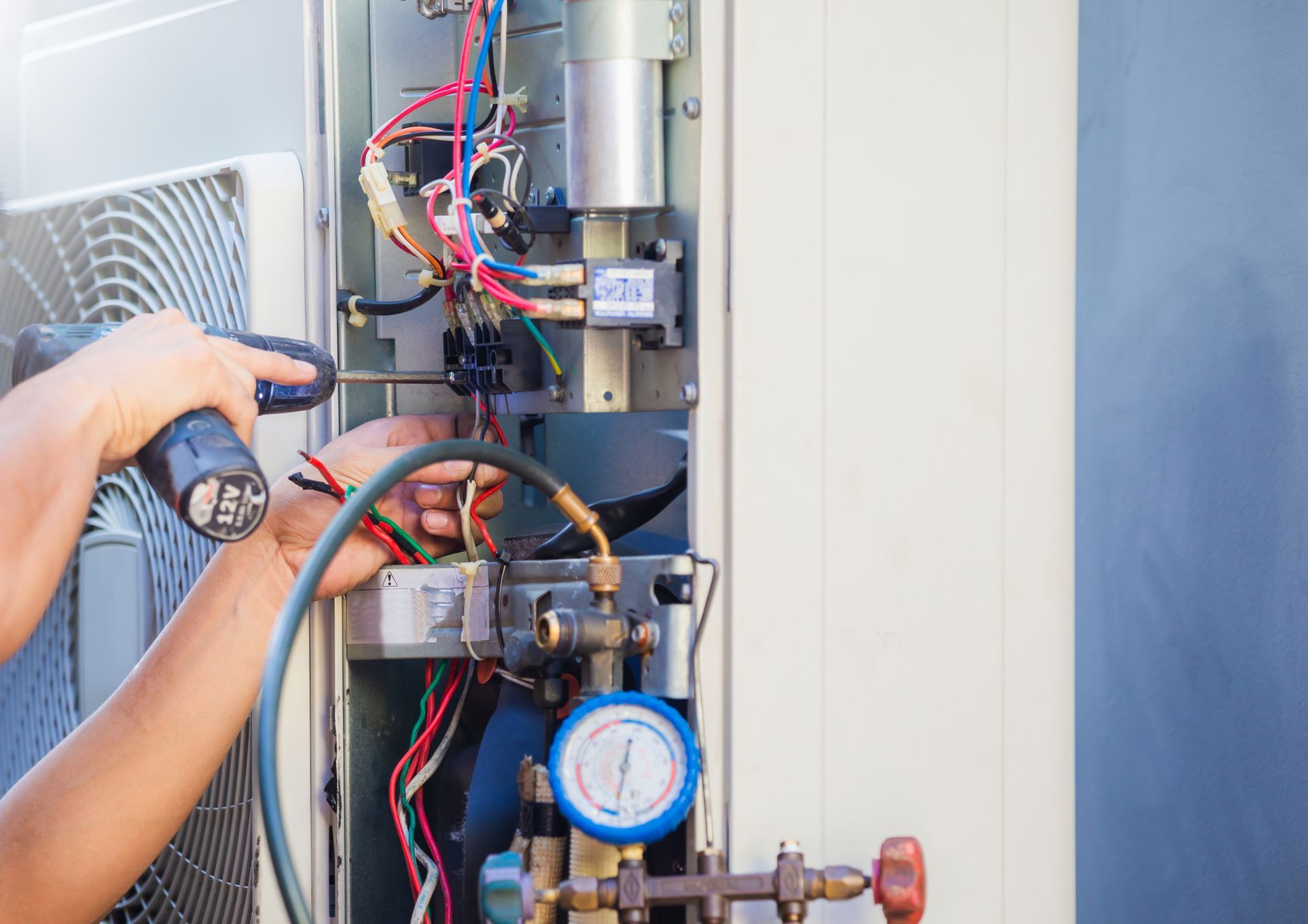
How Heating Diagnostics Locate the Failure
Repair begins with systematic fault isolation: the technician tests for voltage at the thermostat, verifies gas flow to the valve, checks flame sensor current, measures blower speed, and inspects the heat exchanger with a inspection camera if ignition occurs but heat output remains low. This methodical approach identifies whether the failure sits in the ignition circuit, fuel delivery, blower assembly, or heat exchanger rather than replacing components based on age or guesswork.
After completing the repair, ignition occurs within 10 seconds of thermostat call, warm air flows from every register at full volume, and the system runs complete heating cycles until the space reaches setpoint temperature. The furnace operates quietly without rumbling from delayed ignition or squealing from blower motor bearings. You no longer smell gas from a valve that leaks when closed or hear clicking from a flame sensor that fails intermittently.
Emergency after-hours service availability addresses mid-winter heating failures that can't wait until the next business day. Heat exchanger cracks require immediate replacement because combustion gases venting into supply air pose carbon monoxide risk, while ignition and blower repairs restore heat safely without replacing the entire furnace.
What Property Owners Usually Ask
Homeowners facing heating failures in Milwaukie often need to understand diagnostic methods, repair timelines, and replacement considerations before winter weather arrives.
What causes a furnace to ignite but produce no heat?
This usually indicates a cracked heat exchanger that allows combustion gases to escape before transferring heat to the supply air, or a blower motor failure that prevents airflow across the heat exchanger.
How quickly can you restore heat after a furnace failure?
Most repairs finish within two to four hours once the failed component is identified, assuming the part is in stock; ignition modules and flame sensors typically install in under an hour.
Why does my heating system shut off before the house warms up?
Short-cycling typically results from a dirty flame sensor that loses conductivity, a clogged air filter restricting airflow and triggering high-limit shutoff, or an oversized furnace that reaches plenum temperature too quickly.
When should I replace the furnace instead of repairing it?
If the heat exchanger has cracked and the furnace is over 15 years old, replacement often costs less than repairing the exchanger plus addressing other aging components likely to fail within the next two seasons.
What should I check before calling for heating repair in Milwaukie?
Confirm the thermostat is set to heat mode and the temperature setpoint is above current indoor temperature, verify the circuit breaker hasn't tripped, and replace the air filter if it appears heavily loaded with dust.
Suburban HVAC LLC performs owner-operator diagnostics personally, isolating the failure systematically before starting repair work. Schedule a diagnostic appointment to identify what your heating system requires to operate reliably through winter.